
Navigating the vast landscape of tile flooring ideas can feel less like a straightforward design decision and more like an archaeological expedition. We’re not just talking about picking a color or a pattern; we’re delving into the material sciences, the aesthetic philosophies, and the long-term implications for your living or working space. For those who appreciate substance alongside style, understanding the nuances of tile is paramount. It’s about investing in a foundation that speaks to both practicality and enduring beauty, a surface that can withstand the tests of time, traffic, and trends.
The Foundation of Choice: Material Nuances
When we discuss tile flooring, the material is the bedrock of every subsequent design consideration. The common perception often hovers between ceramic and porcelain, but the reality is far more intricate. Each material possesses a unique constellation of properties that dictate its suitability for different environments and aesthetic goals.
#### Porcelain: The Unyielding Champion
Porcelain tile, a denser and less porous cousin to ceramic, often commands a higher price point, and for good reason. Its manufacturing process, involving firing at higher temperatures with finer clay mixtures, results in an exceptionally hard, durable, and water-resistant material. This makes porcelain an ideal candidate for high-traffic areas, kitchens, bathrooms, and even outdoor applications where resistance to frost and extreme weather is crucial. The aesthetic possibilities are also vast; through advanced printing techniques, porcelain can convincingly mimic the look of natural stone, wood, or even concrete, offering the desired visual appeal without the associated maintenance or cost. I’ve often found that the sheer versatility of porcelain is its strongest selling point for discerning homeowners.
#### Ceramic: The Accessible Classic
Ceramic tile, while generally less dense and more prone to absorbing moisture than porcelain, remains a popular and cost-effective choice. It’s a remarkably adaptable material, available in an almost endless array of colors, shapes, and finishes. Glazed ceramic tiles offer a protective layer that enhances their stain and water resistance, making them perfectly suitable for most indoor residential applications, including bathrooms and kitchens. However, it’s crucial to consider the PEI rating (Porcelain Enamel Institute) for wear resistance. A higher rating signifies greater durability, essential for areas with significant foot traffic. For a more budget-conscious yet stylish approach to tile flooring ideas, ceramic remains a compelling option.
#### Beyond the Mainstays: Natural Stone and Its Kin
Natural Stone (Granite, Marble, Slate, Travertine): These offer unparalleled natural beauty and unique character. Each slab is a piece of art. However, they often require periodic sealing to prevent staining and etching, and can be more susceptible to damage from harsh chemicals. Their inherent variations mean that no two installations are ever truly identical.
Luxury Vinyl Tile (LVT): While technically not “tile” in the traditional ceramic or porcelain sense, LVT deserves mention for its remarkable evolution. Modern LVT offers exceptional realism in mimicking wood and stone, coupled with superior water resistance and durability. It’s a pragmatic solution for areas where the look of natural materials is desired without the upkeep.
Concrete Tiles: Increasingly popular for their industrial chic and robust nature, concrete tiles offer a minimalist aesthetic. They are highly durable but can be porous and require sealing.
Crafting Your Narrative: Design Palettes and Patterns
The true magic of tile flooring ideas emerges when we consider the narrative they can weave within a space. It’s not just about the material, but about how that material interacts with light, color, and form.
#### The Illusion of Space: Scale and Orientation
The size and shape of your tiles can profoundly influence the perceived dimensions of a room. Large format tiles (12×24 inches or larger) can create a sense of expansiveness, minimizing grout lines and offering a seamless look, particularly in smaller spaces. Conversely, mosaic tiles, with their intricate patterns and abundant grout, can add texture and visual interest but might make a room feel busier. The orientation of rectangular tiles is another subtle yet powerful tool. Laying them parallel to the longest wall can elongate a narrow room, while a diagonal pattern can introduce dynamism and trick the eye into perceiving greater width.
#### Grout: The Unsung Hero (or Villain)
Grout is often an afterthought, but its role in the overall aesthetic and functionality of tiled floors is significant. The color of your grout can either complement or contrast with your tile, drastically altering the final look. A darker grout can provide definition and hide minor stains, while a lighter grout can create a more subdued, cohesive appearance. Beyond aesthetics, the type of grout matters. Epoxy grouts, for instance, are highly resistant to stains and moisture, making them an excellent choice for kitchens and bathrooms, whereas cementitious grouts are more common but require sealing. I’ve seen entire design schemes elevated or diminished by the careful (or careless) selection of grout.
#### Beyond the Grid: Pattern Play
While the traditional grid layout is a timeless choice, experimenting with patterns can inject personality and visual intrigue.
Herringbone: This classic pattern, formed by arranging rectangular tiles at a 90-degree angle to one another, adds a sophisticated and dynamic flair. It’s particularly effective in hallways or entryways.
Basketweave: Mimicking the look of woven material, this pattern uses rectangular tiles in alternating orientations to create a visually textured effect.
Subway Tile: Originally found in — you guessed it — subway stations, these rectangular tiles laid in a staggered brick pattern remain a perennially popular choice for their clean, versatile appeal.
Strategic Placement: Flooring Ideas for Every Zone
The function and aesthetics of a space should be the primary drivers when exploring tile flooring ideas. What works in a bustling kitchen might not be ideal for a serene bedroom.
#### The Kitchen: A Crucible of Durability
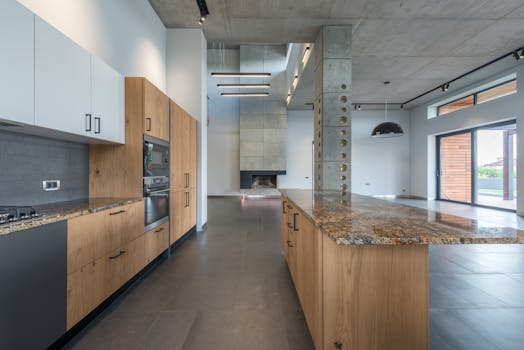
Kitchens demand flooring that can withstand spills, grease, high foot traffic, and the occasional dropped pot. Porcelain or high-quality ceramic tiles are excellent choices. Consider the slip resistance (look for tiles with a good coefficient of friction) and ease of cleaning. A matte finish can be more forgiving of smudges than a high-gloss one.
#### Bathrooms: Moisture Mastery
Water resistance is paramount in bathrooms. Porcelain tiles are a top contender due to their low porosity. For shower floors, smaller tiles or mosaics with more grout lines can offer better traction. Ensure all grout is properly sealed to prevent water intrusion and mold growth.
#### Living Areas: Comfort Meets Style
In living rooms and bedrooms, the focus can shift slightly towards comfort and aesthetics, though durability remains important. Porcelain tiles can mimic the warmth of wood or the elegance of marble, offering a sophisticated foundation. For a more luxurious feel, consider natural stone, but be mindful of its maintenance requirements.
#### Entryways: The First Impression
Entryways are high-traffic zones that need to be resilient and welcoming. Tiles that can handle dirt, moisture, and scuffs are essential. Consider a visually engaging pattern or a darker color to mask everyday wear.
Elevating Your Space: Advanced Tile Flooring Considerations
For those seeking to push the boundaries of conventional design, several advanced tile flooring ideas can elevate a project from functional to phenomenal.
#### Large Format Tiles: The Seamless Horizon
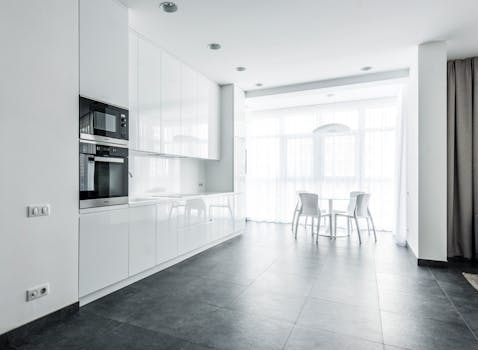
As mentioned, large format tiles (24×24 inches, 18×36 inches, and even larger) are transformative. They minimize grout lines, creating a visually expansive and unified floor. This effect is particularly striking in open-plan living spaces or smaller rooms where the goal is to create an illusion of greater size. The installation requires a meticulous subfloor and precise handling, but the payoff in terms of modern elegance is undeniable.
#### Wood-Look and Stone-Look Tiles: The Best of Both Worlds
The technological advancements in tile printing have led to incredibly realistic reproductions of natural materials. Wood-look porcelain tiles can offer the warmth and texture of hardwood without the susceptibility to water damage or scratches. Similarly, stone-look tiles can capture the intricate veining of marble or the rugged texture of slate at a fraction of the cost and with enhanced durability. This offers a fantastic avenue for achieving high-end aesthetics with practical benefits.
#### Textured and 3D Tiles: Adding Tactile Dimension
Beyond flat surfaces, some tile flooring ideas incorporate three-dimensional textures or patterns. These can add a unique tactile and visual layer, creating a focal point or a subtle, sophisticated detail. Think of tiles with raised geometric patterns or subtle wave-like reliefs. These often perform best in areas with less direct traffic to preserve their intricate designs.
Final Thoughts: A Strategic Approach to Tile
When contemplating tile flooring ideas, approach the process with a strategic mindset. Don’t just be swayed by the initial visual appeal. Consider the intended use of the space, the required level of durability, your budget, and the long-term maintenance implications. Porcelain’s robustness makes it a near-universal choice for high-demand areas, while ceramic offers accessible style for less taxing environments. Remember that grout is not merely a filler; it’s an integral design element that can enhance or detract from your chosen tile. By understanding these nuances, you can move beyond generic selections and curate a tile floor that is not only beautiful but also a lasting testament to thoughtful design and intelligent material selection.