
Imagine a bustling hub, not necessarily with flashing lights and digital screens, but with the vibrant hum of discovery. Children, eyes wide with curiosity, are not just playing; they’re actively constructing their understanding of the world. This is the essence of the early education station – a concept that transcends a physical location and delves into the very architecture of early learning. But what are the core pillars that transform a space or an experience into such a powerful launchpad for development? It’s a question worth pondering, especially as we navigate the ever-evolving landscape of childhood education.
Defining the Core: More Than Just a Designated Area
At its heart, the early education station is a carefully curated environment designed to ignite a child’s natural drive to explore, experiment, and learn. It’s not merely about a set of toys or a thematic corner; it’s about the thoughtful integration of materials, opportunities, and guidance that foster holistic growth. Think of it as a carefully constructed ecosystem where intellectual, social, emotional, and physical development are nurtured simultaneously.
One of the most fascinating aspects is how adaptable this concept can be. Whether it’s a dedicated corner in a preschool, a thoughtfully arranged section at home, or even an imaginative outdoor space, the underlying principles remain consistent. It’s about creating intentionality in play and learning.
#### The Building Blocks of Engagement: What Makes it Work?
So, what are these essential ingredients? Let’s break down the key components that make an early education station truly effective:
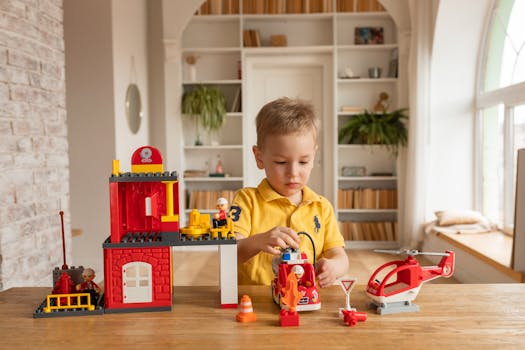
Open-ended Materials: These are the cornerstones. Think blocks of various shapes and sizes, art supplies that allow for diverse expression (crayons, paint, clay, scissors, glue), loose parts (buttons, shells, natural items), and sensory bins filled with rice, beans, or water. These items don’t dictate a specific outcome; they invite children to use their imagination and problem-solving skills.
Child-Centric Design: The station should be accessible and appealing to children. This means materials are within reach, the space is organized in a way that children can navigate and understand, and the overall atmosphere is welcoming and safe. It’s about empowering the child to take ownership of their learning journey.
Opportunities for Exploration and Experimentation: Children learn by doing. An effective station provides ample chances to mix, build, create, and test hypotheses. This could involve a science experiment station with magnifying glasses and natural items, or a dramatic play area that encourages role-playing and social interaction.
Facilitation, Not Dictation: While children should have freedom, gentle guidance from an adult can significantly enhance the learning experience. This isn’t about telling them what to do, but rather asking probing questions, offering encouragement, and introducing new concepts or challenges.
Fostering Foundational Skills: The Ripple Effect of Intentional Play
The true magic of the early education station lies in its ability to nurture a broad spectrum of developmental skills, often in ways that feel like pure fun to the child. It’s a powerful illustration of how play is, in fact, serious learning.
#### Cognitive Cornerstones: Sharpening Young Minds
Problem-Solving and Critical Thinking: When a child tries to balance blocks to build a tall tower or figures out how to make a pulley system work in a sensory bin, they are engaging in complex problem-solving. They learn to identify challenges, devise strategies, and evaluate outcomes.
Creativity and Imagination: Open-ended materials are the fuel for imagination. Children can transform a cardboard box into a rocket ship or a pile of fabric scraps into a magnificent costume, developing their ability to think outside the box.
Early Literacy and Numeracy: Through storytelling in dramatic play, sorting objects by color or size, or counting the number of blocks used, children naturally develop foundational literacy and numeracy skills without even realizing they are being “taught.”
#### Social and Emotional Growth: Building Well-Rounded Individuals
Collaboration and Communication: When children share materials, negotiate roles in pretend play, or explain their creations to each other, they are honing vital social skills. They learn to express their needs and listen to others.
Emotional Regulation and Self-Expression: Art stations provide a safe outlet for emotions. Children can express joy, frustration, or excitement through their creations. Dramatic play also allows them to explore different emotions and perspectives in a safe, simulated environment.
Independence and Confidence: When children are given the freedom to choose their activities and work independently or collaboratively, they build a sense of self-efficacy and confidence in their abilities.
Beyond the Preschool Walls: Bringing the Station Home
It’s easy to envision an early education station within a formal learning setting, but its principles are incredibly portable. Parents and caregivers can create powerful learning stations at home with minimal fuss. Consider a “creation station” with recycled materials, a “nature exploration station” with magnifying glasses and found objects, or a “storytelling station” with puppets and props.
The key is observation. What sparks your child’s interest? What do they gravitate towards? Tailoring the station to their individual curiosities will amplify its effectiveness. I’ve often found that the simplest setups, using everyday items, can be the most engaging for young learners. It’s less about fancy equipment and more about thoughtful presentation and intentionality.
The Evolving Landscape: Adapting the Station for Today’s Learners
The concept of the early education station is not static. As technology evolves and our understanding of child development deepens, these stations can incorporate new elements. Digital tools that encourage creation, interactive whiteboards for collaborative drawing, or coding games that foster logic can all become valuable additions.
However, it’s crucial to maintain a balance. The tactile, hands-on experiences remain paramount. The goal isn’t to replace traditional play with screens, but to thoughtfully integrate technology as another tool for exploration and discovery. It’s about asking: How can this new resource enhance the child’s agency and foster deeper understanding?
Final Thoughts: Cultivating the Seed of Lifelong Learning
Ultimately, the early education station is more than just a collection of resources; it’s a philosophy. It’s about recognizing and nurturing the innate curiosity that drives every child. By providing thoughtfully designed environments and opportunities for authentic exploration, we aren’t just preparing them for kindergarten; we’re laying the groundwork for a lifetime of learning, creativity, and critical thinking. Start by observing your child’s natural inclinations, and then intentionally create spaces that invite them to explore, experiment, and discover the world around them.